GUIDE / EV FAST CHARGING
Develop fast charging – choose a site along major roads
A good charging site needs to be accessible, usable and suitable for development. Traffic, access, land area and grid demand must be assessed together.
Choose the road section and traffic you want to serve
Start with the area and journeys the station will serve. Is it through traffic on the E4, retail visitors or another service location? This determines which road sections and sites are relevant to compare.
Available traffic data adds context, but traffic on a major road is not the number of potential charging customers at a particular location. Review the data date, relevant road section and how drivers reach the station together.
Follow the route all the way to the charging bay
A site near a motorway may still involve a long or difficult detour. Review junctions, travel direction and mapped road connections. Follow both the route into the station and the return route towards the destination.
Gigaplex gathers available road and traffic information for comparing charging sites. Actual access, driveability and permission to use or alter an entrance require site-specific checks with relevant parties. A map line does not confirm access is secured.
Compare existing charging and site context
Look at registered charging stations and their relation to traffic. Review services visitors can reach during a stop. Use the information to explain why this location should be investigated further.
Gigaplex includes registered charging provision in site analysis. Registered points describe existing supply; they do not establish demand, occupancy or future revenue for your planned station.
Explore charging bays, circulation and power requirements
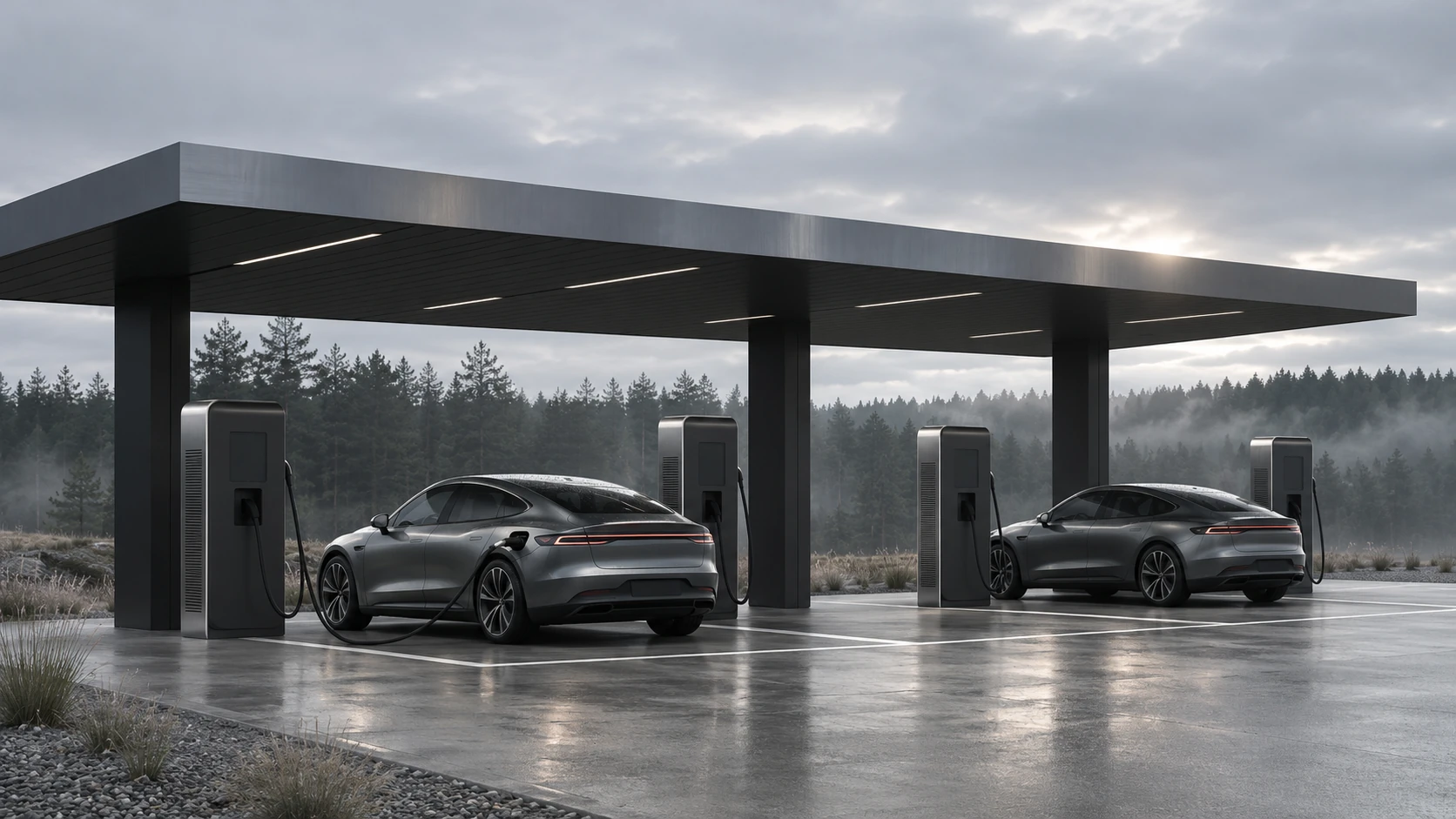
Specify how many vehicles can charge simultaneously and the intended DC power. Distinguish vehicle bays, simultaneous outlets and physical chargers. Include equipment areas, maintenance and space to enter, park and leave.
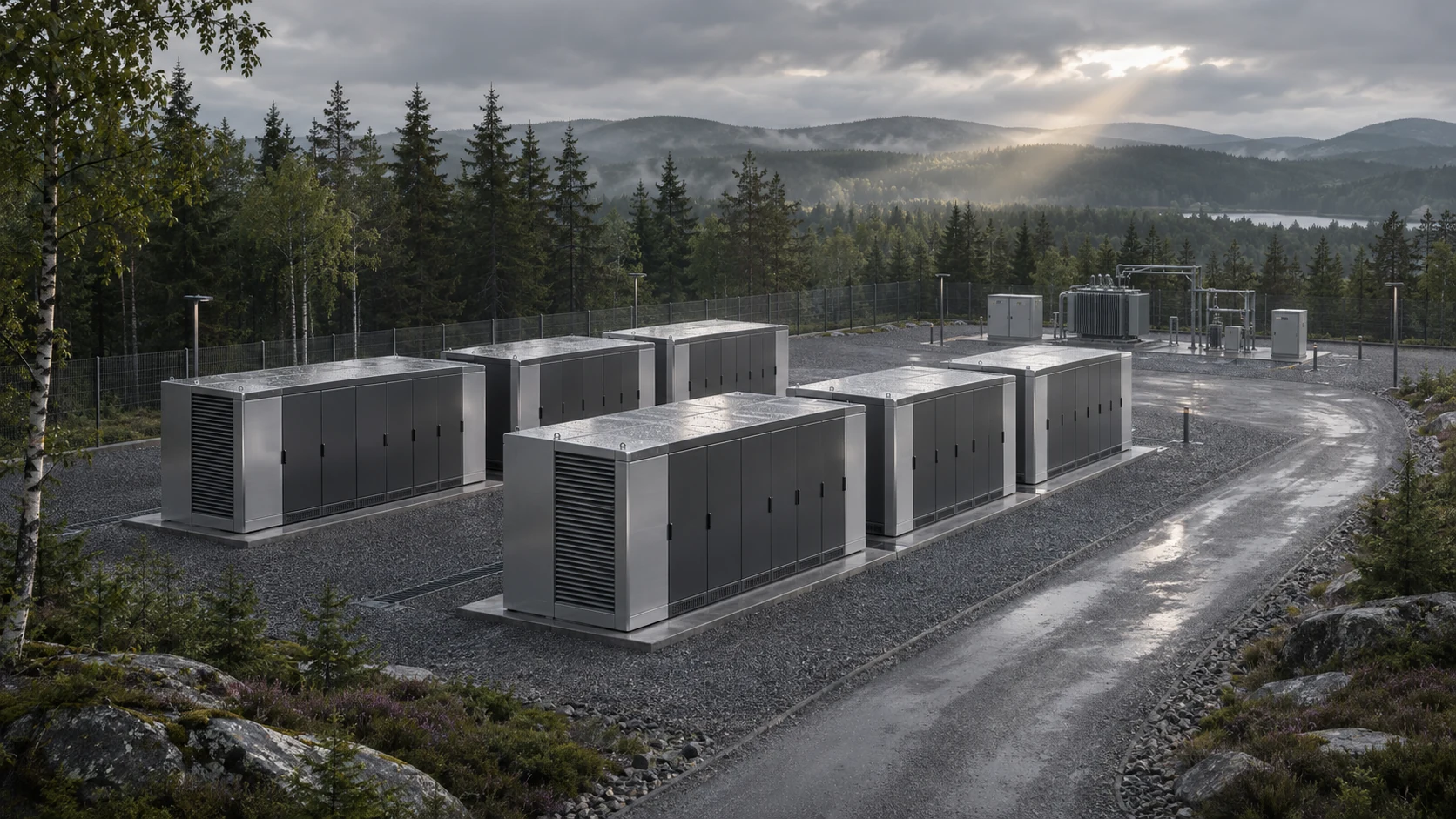
A preliminary charging layout helps show whether site shape suits the concept. In Gigaplex examples, adjust bays, power and battery storage. Required AC grid import must then be specified separately in the project-specific connection discussion.
Investigate the grid and land access before choosing the site
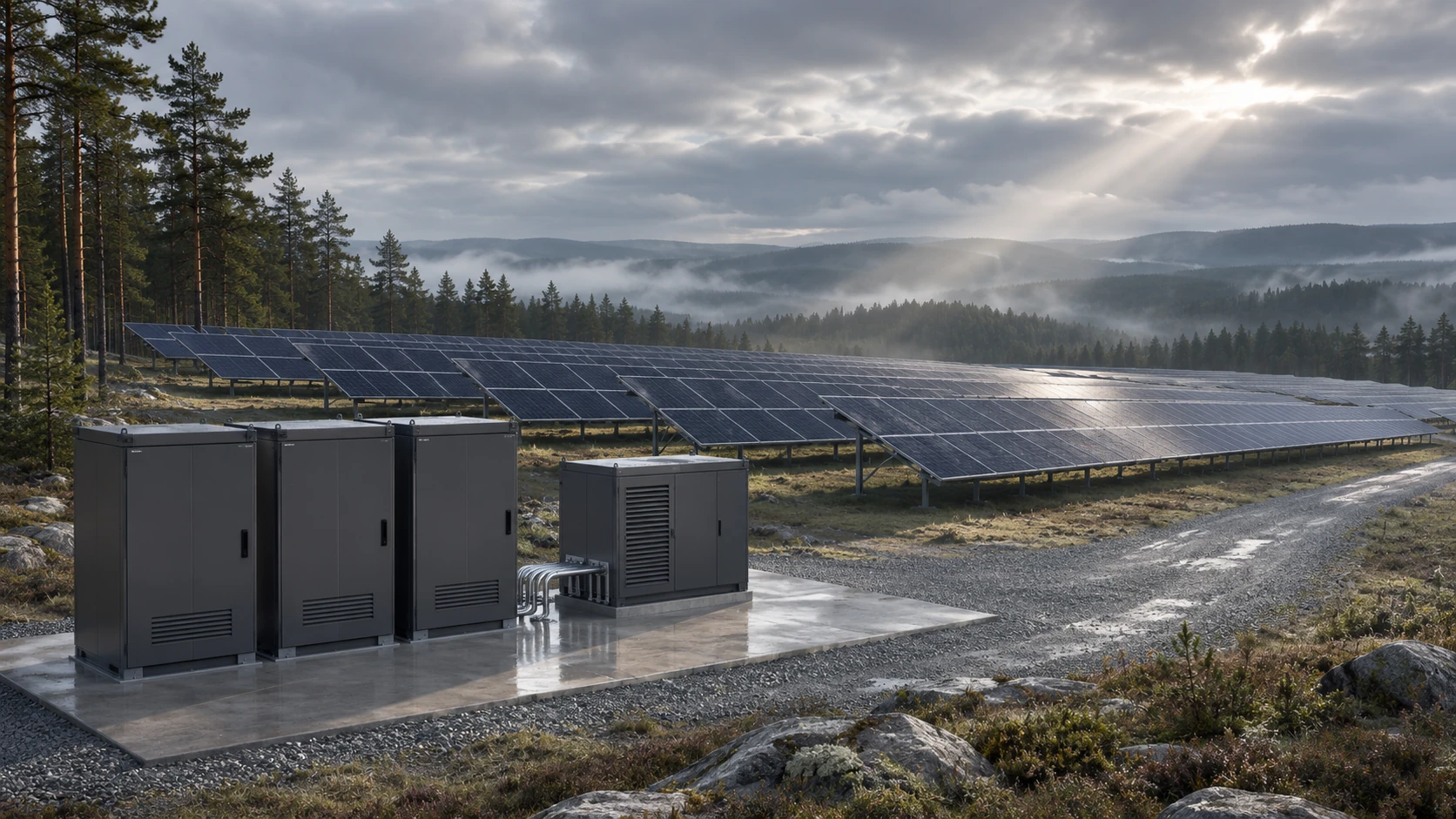
Compare potential connection with power requirements and operation. Batteries can change grid demand over time, but need assessment against charging patterns, power, energy and recharge time. A website example is not final sizing.
Gather layout, access questions and required grid import with landowner and operator responses. Use the same requirements across sites and document why a location proceeds. This clarifies next steps for the team and those assessing the connection.
ILLUSTRATIVE PROJECT EXAMPLE
Six simultaneous charging bays along the E4
Explore six simultaneous vehicles at 150 kW each. At full simultaneous power, that is 900 kW DC to vehicles. Compare layouts, access and equipment needs at two locations along the same route.
- Simultaneous vehicles
- 6
- DC power per vehicle
- 150 kW
- Combined DC power
- 900 kW
900 kW is not a final grid connection value. Losses, other consumption, load management and optional storage must be considered. The scenario is illustrative and describes no real development.
Checklist for the next step
- Road section, target users and relevant traffic information are described.
- Access, travel direction and return route are reviewed.
- Registered charging provision and nearby services are compared.
- Charging bays, circulation and equipment fit in the layout.
- AC grid demand, optional storage and outstanding land and access questions are documented.
Further reading from the sources
Follow current guidance from the relevant authority and grid operator for your project. These sources provide further reading on the guide's topics.