Identify the grid operator.
See which grid area a site belongs to and who to contact about a connection.

 Book a demoLog in
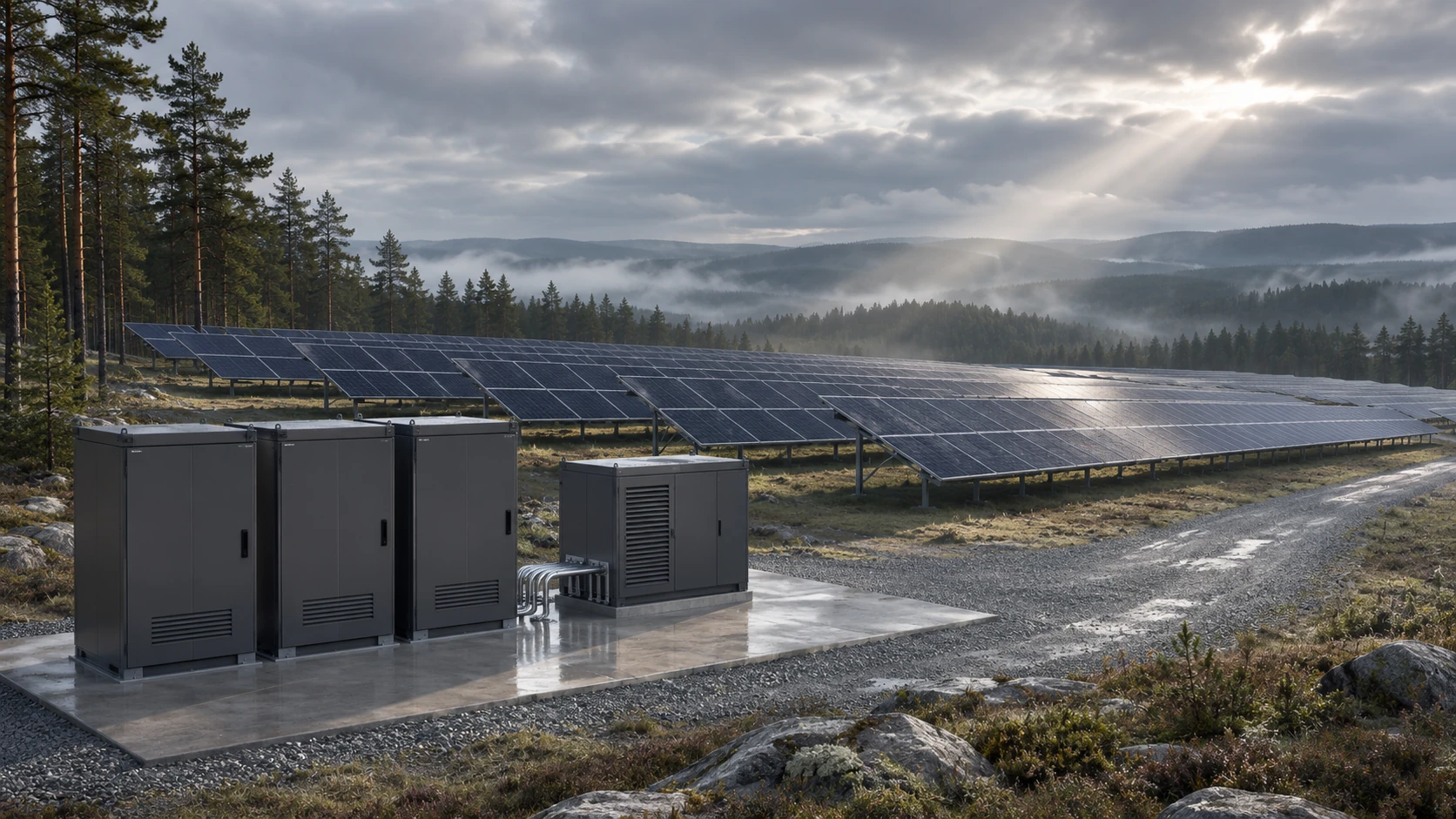
GIGAPLEX / BATTERY STORAGE / BESS
Find and compare land for battery storage. Review equipment, terrain and grid information together so your team can focus its investigation on promising sites.
GRID INFORMATION / BATTERY STORAGE
A good battery storage site needs to work for both grid import and export. Gigaplex brings together network plan references for 139 grid operators and shows available grid information alongside land, mapped station proximity and your project’s power requirements.
grid operators with network plan references
See which grid area a site belongs to and who to contact about a connection.
Review published network plans and available capacity indications. See planned upgrades and reported constraints where information is available.
Review grid information alongside the site and your project’s power requirements. Bring the context together for a more focused discussion with the grid operator.
The scope of available information varies by grid operator. Available power, connection costs and timelines are confirmed by the grid operator for each project.
FROM A NUMBER TO ITS CONTEXT
Grid operators, published network plans and source information. Brought together around the site, for a clearer next question.
The site’s grid contextSee which grid area the site belongs to.
Review published network plans and area information.
Keep source references, dates and status close at hand.
Prepare a more focused discussion with the grid operator.
01 / SITE CONDITIONS
Explore early whether batteries, equipment and service areas fit on the land. Gigaplex brings layouts and geospatial information together so you can compare sites using the same project requirements.
Specify power and energy capacity. Grid import and export are kept separate.
Review service areas, specified clearances, terrain and mapped obstacles.
Compare mapped substations and take your project requirements to the grid operator.
GIGAPLEX / SITE ANALYSIS
Land geometry, project power requirements and grid context. See the conditions together before choosing what to investigate further.
Compare usable land, terrain and surroundings with the space required for batteries, equipment and service.
See grid operators, published network plans and available area information alongside the site.
Compare alternatives on the same terms and carry the evidence into your team’s next assessment.
Conceptual visualisation of site analysis. Actual conditions are assessed for each project. Grid capacity and connection are confirmed by the grid operator.
GEOSPATIAL INTELLIGENCE
Geospatial intelligence connects land, the electricity grid and project requirements. Using geographic data and machine learning, Gigaplex helps prioritise battery storage locations and identify questions for further investigation.
Start with your battery storage. Power, energy and area requirements guide the comparison of potential sites.
See the grid in context. Compare mapped substations, distances, ground conditions and accessibility in one place.
Focus the next investigation. Take clearer site information to the landowner and grid operator. Connection and capacity are investigated further.
FROM SITE SELECTION TO PROJECT
Continue working on the site layout in the project workspace. Save alternatives and keep your team’s work connected to the same land area.
Gather site details, import, export and a facility description in a draft enquiry. The grid operator can then assess the connection against project requirements.
Retrieve public documents from supported municipality and grid operator sources where available. Add drawings and track missing information.
FREQUENTLY ASKED QUESTIONS
MW describes battery power; MWh describes how much energy it can store. Both are needed to describe the facility. Required grid import and export are specified separately.
Choose a maximum straight-line distance of 0.5, 1 or 2 km to a mapped substation candidate. The map shows the substation and distance alongside the layout. The grid operator confirms the actual connection point, capacity and cable route.
The layout includes area allowances and specified safety clearances. Battery positions are also checked against mapped buildings. Fire protection, unit spacing and manufacturer installation requirements are verified in subsequent project work.
Yes. Save the site in Projects and continue in Land & layouts. Changed equipment or positions require another review against the land, surroundings and project requirements.