Identify the grid operator.
See which grid area a site belongs to and who to contact about a connection.

 Book a demoLog in
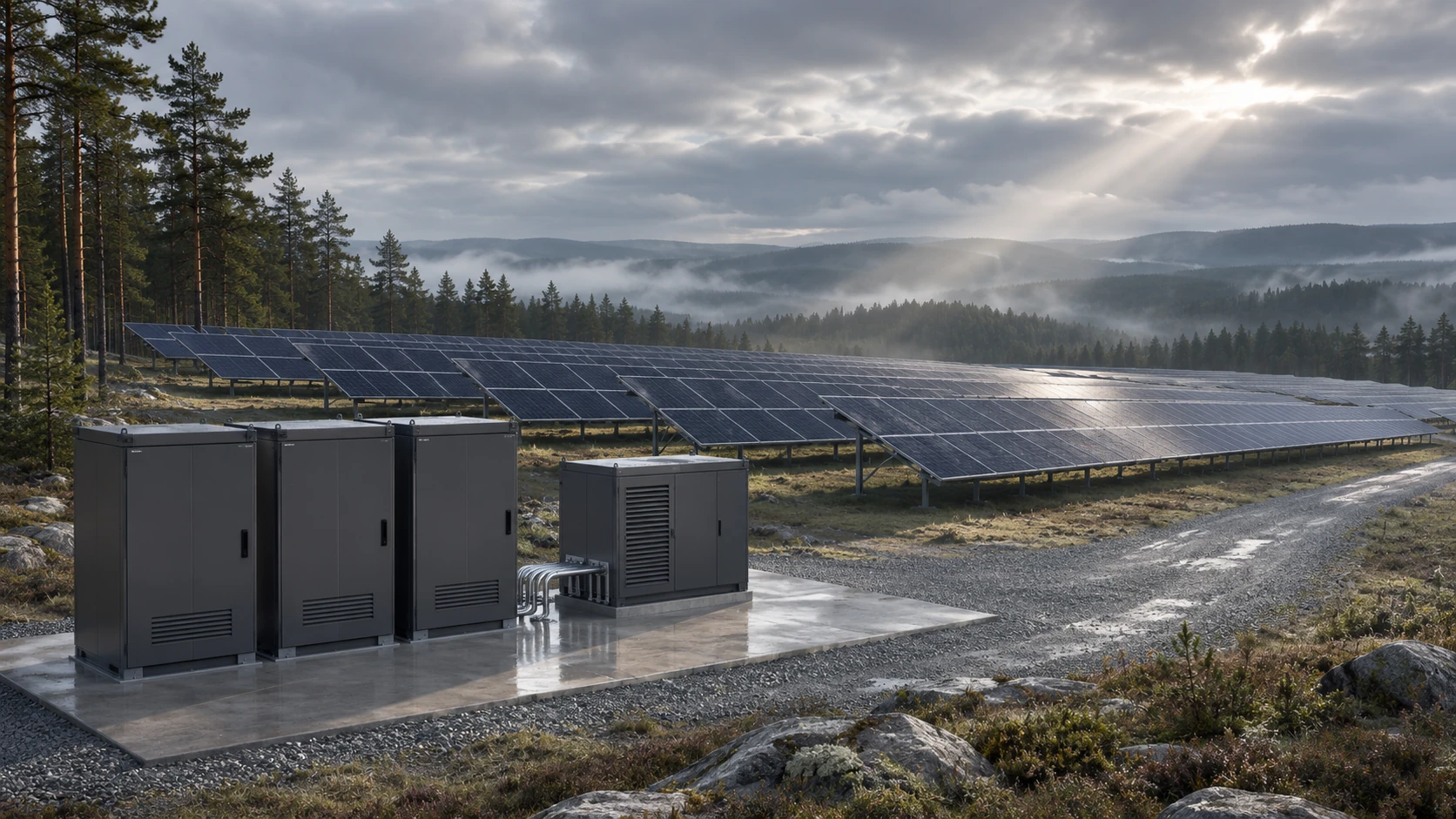
GIGAPLEX / SOLAR ENERGY / SOLAR + STORAGE
Find and compare land for solar parks, with or without battery storage. Review area, terrain and layouts against your project requirements in one workflow.
GRID INFORMATION / SOLAR ENERGY
A solar park needs a route to the grid. Gigaplex brings together network plan references for 139 grid operators so your team can review available plans, grid export context and mapped station proximity alongside land and panel layouts.
grid operators with network plan references
See which grid area a site belongs to and who to contact about a connection.
Review published network plans and available capacity indications. See planned upgrades and reported constraints where information is available.
Review grid information alongside the site and your project’s power requirements. Bring the context together for a more focused discussion with the grid operator.
The scope of available information varies by grid operator. Available power, connection costs and timelines are confirmed by the grid operator for each project.
FROM A NUMBER TO ITS CONTEXT
Grid operators, published network plans and source information. Brought together around the site, for a clearer next question.
The site’s grid contextSee which grid area the site belongs to.
Review published network plans and area information.
Keep source references, dates and status close at hand.
Prepare a more focused discussion with the grid operator.
01 / SITE CONDITIONS
Review the panel area, access, equipment and optional storage at the same site. Identify early which conditions suit the project and what your team needs to investigate further.
Specify installed solar capacity and explore panels, equipment and service space.
Keep battery power and energy capacity separate from installed solar panel capacity.
Compare terrain, mapped obstacles, access and grid information in context.
GIGAPLEX / SITE ANALYSIS
From usable land to the context of a solar park. Gigaplex brings together the evidence to help you compare sites before detailed design begins.
Review land geometry, terrain and surroundings together. See which sites are worth investigating for solar energy and optional storage.
See grid operators, published network plans and available area information alongside the site.
Compare alternatives on the same terms and carry the evidence into your team’s next assessment.
Conceptual visualisation of site analysis. Actual conditions are assessed for each project. Grid capacity and connection are confirmed by the grid operator.
GEOSPATIAL INTELLIGENCE
Geospatial intelligence helps you understand how land, surroundings and the grid connect. Gigaplex uses geographic data and machine learning to prioritise potential solar park sites against your project requirements.
Start with the right land. Compare area, terrain and mapped constraints against the solar project's requirements.
Bring the components together. View the panel area, access, equipment and optional battery storage in the same geographic context.
Prioritise the next step. Compare site conditions and grid information before a more detailed review.
FROM SITE SELECTION TO PROJECT
Bring the site and layout into a project. Compare equipment positions and keep your team’s assessments connected to the same land area.
Prepare an enquiry with project export and any import. Where storage is included, battery power and energy stay with the project information.
Gather the project description, drawings and permit questions. Retrieve public documents where source support is available and add your team's own material.
FREQUENTLY ASKED QUESTIONS
Yes. Solar covers solar parks with or without BESS. When selecting storage, specify its power and energy separately from the solar facility.
No. MWp describes installed peak panel capacity. Required grid export and import are specified separately to distinguish them from panel capacity.
Gigaplex checks slope beneath the suggested layout. A position that fails the terrain criteria requires further review. Foundations, mounting systems and earthworks must be assessed for the project.
The layout checks equipment space and positioning. It is not a project-specific production forecast. Irradiance, shading and the final technical design are investigated within the project.